HOW IT WORKS
Store the surplus
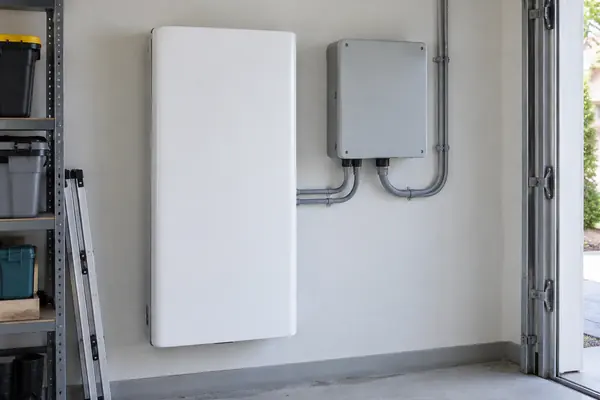
Solar and storage can store energy for later use. The Department of Energy notes the pair can also provide backup power during an electrical disruption.
Follow the power
 solarshieldbattery
WHAT THE US DATA SAYS
12.5 kWh NREL's model home system
Panels make power when the sun is up.
Solar panels do not always generate electricity when you want to use it. A home battery stores the surplus so you can use it later. Here is what NREL, the Department of Energy and the IRS say about how they work.
Updated
Follow the powerTHE SHORT ANSWER
It does not make more electricity.
It changes when your electricity is used.
HOW IT WORKS
Solar and storage can store energy for later use. The Department of Energy notes the pair can also provide backup power during an electrical disruption.
Follow the powerSIZE
NREL models a typical home system as 5 kW of power and 12.5 kWh of energy: enough to deliver its full output for about two and a half hours.
See the numbersLIFESPAN
Common warranties run about 10 years, and estimates of battery life range from 5 to 15 years, so a battery will likely be replaced during a solar system's 20 to 30 year life.
Before you buyFOLLOW THE POWER
Pick a moment in a solar home's day. The bar shows how hard the battery is working at that moment.
Based on US Department of Energy, NREL and industry guidance. Installers configure systems differently; details vary between products and utilities.
TWO NUMBERS WORTH KNOWING
One figure on capacity,
one on how much energy makes it back out.
12.5 kWh
NREL's representative home battery
NREL's Annual Technology Baseline models a 5 kW, 12.5 kWh residential system, a 2.5-hour battery, with a 15-year lifetime supported by augmentation.
CAPACITY · NREL
85%
Round-trip efficiency assumed
Of the energy that goes into the battery, NREL assumes about 85% comes back out. The Department of Energy notes some energy is always lost in storing and retrieving it.
EFFICIENCY · NREL
Cost: NREL's 2022 base-year inputs put the battery pack at $283 per kWh and the battery inverter at $183 per kWh, before installation, permitting, sales and overhead costs.
FOUR THINGS TO CHECK
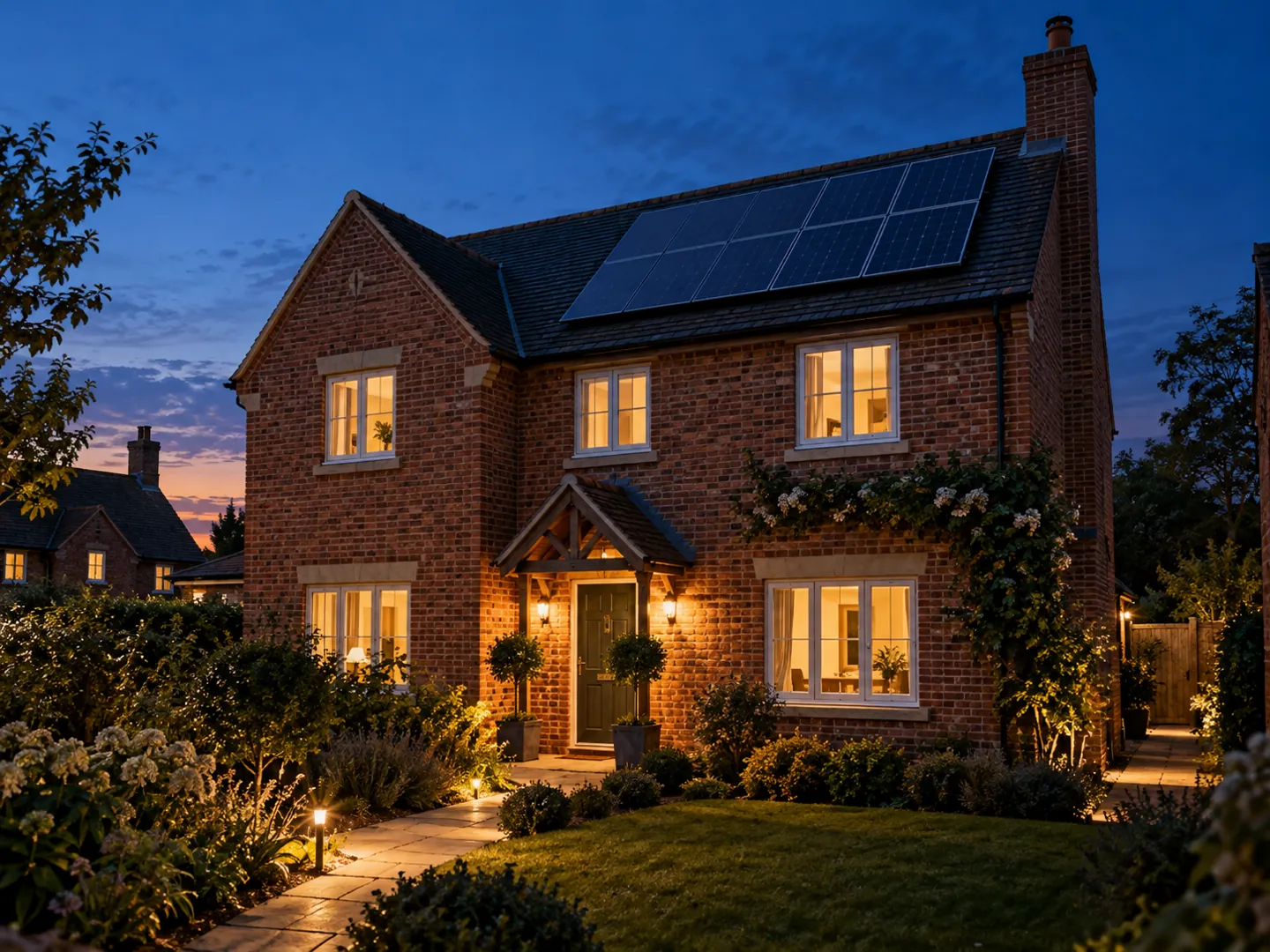
These points come from IRS, NREL and industry guidance. They are general information, not financial or tax advice.
The IRS says the 30% residential clean energy credit is not available for property placed in service after December 31, 2025.
Warranties often run about 10 years or a set number of cycles, and promise a retained capacity such as 60% or 70%.
Heat shortens battery life. Ask your installer where the battery will sit and how hot that space gets in summer.
Export credit is set by your state and utility. In California, the Net Billing Tariff applies to applications made on or after April 15, 2023.
SIZE AND RESILIENCE
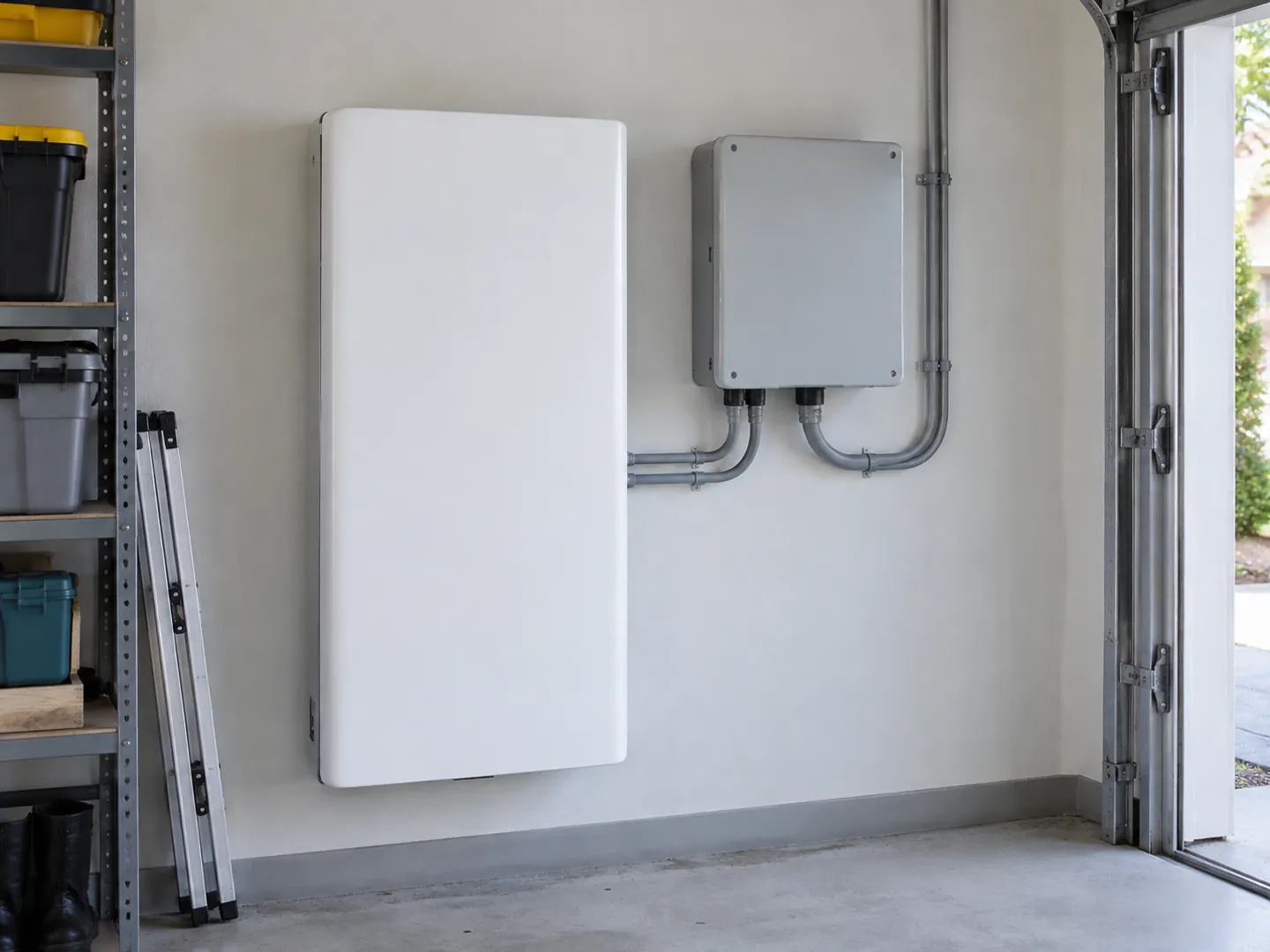
Energy capacity, in kilowatt-hours, is the total a battery can store. Power capacity, in kilowatts, is how much it can deliver at once. The Department of Energy uses these two numbers to describe every storage system.
Solar and storage can keep essential services such as communications running during outages, the Department of Energy says. For the IRS credit, battery storage had to have a capacity of at least 3 kilowatt-hours.
Questions
NREL's Annual Technology Baseline models a representative residential battery at 5 kW of power and 12.5 kWh of energy, which is a 2.5-hour system.
Estimates range from 5 to 15 years, and common warranties run about 10 years. NREL's cost model assumes a 15-year life with augmentation. Batteries usually need replacing before the panels.
Extra solar flows to the grid. How you are credited depends on your state and utility, for example net metering or California's Net Billing Tariff.
The IRS says the residential clean energy credit, 30% of qualified costs, is not available for property placed in service after December 31, 2025. Batteries had to hold at least 3 kWh.
Usage cycles, holding the battery near 100%, repeated deep discharges and high temperatures all reduce lifespan, according to industry reporting and NREL guidance.
Sources
ABOUT THIS NAME
solarshieldbattery.com is part of the DoodleSale portfolio. It isn't in an auction right now, but you can ask about leasing it.